Multi-Kitchen and Multi-Outlet Management: A Game-Changer for Restaurant Chains

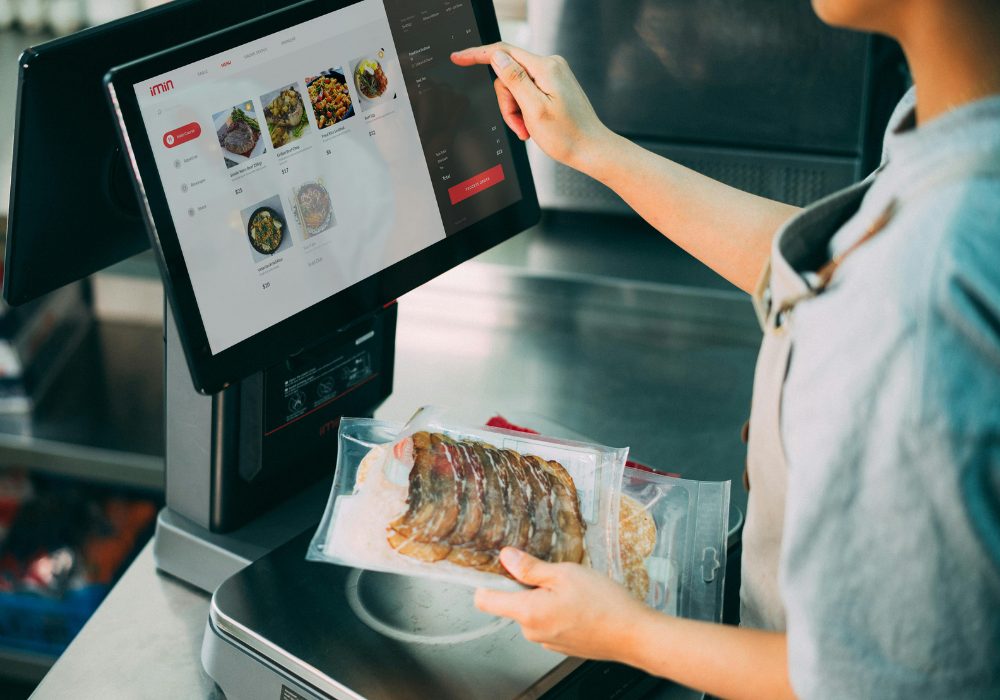
Running a single restaurant is challenging — managing multiple outlets and kitchens across different locations is an entirely different level of complexity. From maintaining consistent food quality and speed of service to monitoring inventory and staff performance, restaurant chains face unique operational hurdles. That’s where multi-kitchen and multi-outlet management systems come in. These tools, often powered by advanced POS (Point of Sale) and cloud technology, allow restaurant owners to control every outlet from a single dashboard — making operations more efficient, transparent, and profitable. 1. What Is Multi-Kitchen and Multi-Outlet Management?Multi-kitchen and multi-outlet management refers to a centralized system that allows restaurant brands to monitor and control several kitchens or branches simultaneously. With this system, you can:
Whether you own 3 outlets or 30, such a system ensures all your operations work in harmony. 2. Centralized Control for All OutletsA major benefit of this technology is centralized control. Instead of logging into separate systems for each branch, owners can access everything from a single platform. Advantages include:
This ensures consistency and saves hours of manual coordination. 3. Efficient Multi-Kitchen CoordinationFor restaurants that operate multiple kitchens (like delivery-only cloud kitchens or multi-cuisine restaurants), managing order flow between kitchens is crucial. With multi-kitchen management:
This ensures faster service, better order accuracy, and happier customers — especially during peak hours. 4. Real-Time Inventory and Stock TrackingTracking stock across different outlets can be a nightmare without the right system. Multi-outlet POS solutions automatically sync inventory data, showing what’s available in each kitchen or branch. Key benefits:
Restaurant chains can also transfer inventory between outlets seamlessly based on demand. 5. Consistency in Menu and QualityMaintaining consistency is vital for brand reputation. With a centralized system, you can manage recipes, portion sizes, and pricing for every outlet in one go. Why it matters:
This strengthens your brand identity and builds trust among loyal customers.
6. Centralized Reporting and AnalyticsMulti-outlet management systems provide detailed analytics from all your locations — helping you understand which branches perform best, which menu items sell fastest, and where to improve. You can track:
Data-driven insights empower managers to make informed business decisions. 7. Simplified Staff and Role ManagementManaging multiple teams across outlets becomes easier with a unified system. You can assign roles, monitor attendance, and evaluate performance from one place. Features include:
This ensures accountability and prevents internal errors or misuse. 8. Enhanced Customer Experience Across OutletsWhether your customer visits your restaurant or orders online, they expect the same experience. Multi-outlet systems help maintain this consistency. Customer benefits:
A seamless experience keeps customers loyal across all branches. 9. Cloud-Based Access and MobilityModern restaurant management systems are cloud-based, meaning you can access data anytime, anywhere — from your laptop or smartphone. Advantages:
This flexibility is invaluable for growing restaurant chains. 10. Scalability for Future GrowthPerhaps the biggest advantage of a multi-kitchen and multi-outlet system is scalability. As your restaurant expands, you don’t need to rebuild processes — the same system can handle more kitchens and outlets effortlessly. Why it’s a game-changer:
It’s a future-ready solution for ambitious restaurant brands. ConclusionIn today’s fast-paced restaurant industry, multi-kitchen and multi-outlet management is more than a convenience — it’s a competitive advantage. By centralizing control, improving efficiency, and maintaining consistency, restaurant chains can deliver the same quality experience across all locations while cutting costs and increasing profits. |