Inventory Management Made Easy with Restaurant POS Software

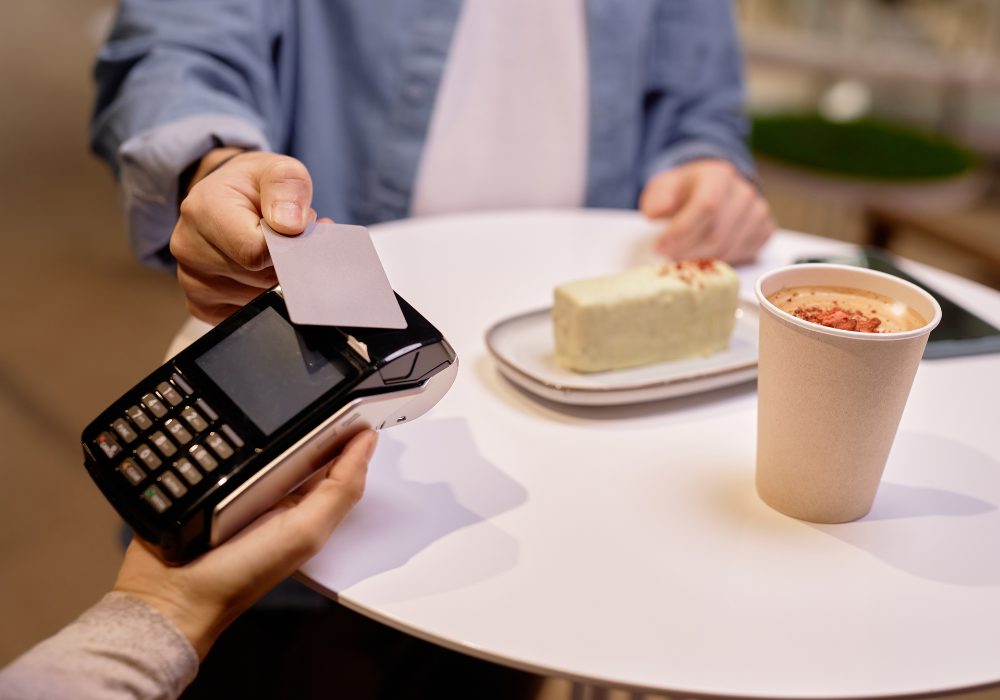
Inventory management is one of the most critical aspects of running a restaurant successfully. Whether you operate a small café or a large restaurant chain, managing your stock efficiently determines your profitability, food quality, and customer satisfaction. Traditional inventory tracking methods — spreadsheets or manual counting — often lead to errors, wastage, and financial losses. In contrast, modern Restaurant POS (Point of Sale) software simplifies the entire process with automation, real-time updates, and detailed reports. Let’s explore how POS-based inventory management can transform the way restaurants handle their stock and reduce operational stress. 1. Understanding Inventory Management in RestaurantsInventory management involves tracking ingredients, beverages, packaging materials, and other supplies used in daily operations. A restaurant’s profitability depends on how effectively it balances stock availability with cost control. Running out of key ingredients can hurt sales, while overstocking leads to wastage. That’s where a POS system comes in — providing accurate data, reducing human error, and ensuring the right stock levels at all times. 2. How POS Software Simplifies Inventory ManagementA restaurant POS system automates the entire inventory process by syncing sales and stock data in real time. Whenever a menu item is sold, the corresponding ingredients are automatically deducted from inventory. Core functions include:
This not only saves time but also ensures complete accuracy in stock management. 3. Real-Time Stock Tracking and VisibilityOne of the biggest advantages of POS-based inventory management is real-time visibility. Restaurant managers can instantly view the availability of items across all kitchens or outlets. Key benefits:
Real-time insights empower managers to make faster and smarter purchasing decisions. 4. Automatic Alerts and ReorderingManual stock monitoring often leads to missed restocks or over-purchasing. A POS system eliminates this by sending automatic alerts when inventory levels drop below a set threshold. Automation features include:
This ensures a continuous supply of essentials without overburdening storage or capital. 5. Ingredient-Level Tracking for Accurate CostingUnlike basic stock tracking, a good restaurant POS system manages ingredient-level inventory. Each menu item is linked to specific quantities of ingredients, allowing precise food cost calculation. Benefits of ingredient-level tracking:
Knowing the exact cost of each dish helps in pricing your menu strategically for maximum profit.
6. Reducing Wastage and PilferageFood wastage and theft are silent profit killers. POS software helps identify inconsistencies by comparing actual vs. theoretical consumption. With this data, you can:
Over time, this leads to significant savings and more efficient resource utilization. 7. Multi-Outlet Inventory ControlFor restaurant chains or franchises, managing inventory across multiple outlets can be complex. Cloud-based POS systems offer centralized inventory management, enabling owners to monitor stock from all locations in one dashboard. Multi-outlet advantages:
This simplifies logistics and improves supply chain efficiency across your restaurant network. 8. Data-Driven Purchase PlanningPOS systems generate detailed reports that help managers analyze consumption trends and forecast future needs accurately. You can track:
Data-backed decisions lead to optimized purchasing, reduced waste, and higher profitability. 9. Integration with Accounting and SuppliersModern POS software integrates with accounting and supplier management systems for complete automation. This integration allows:
Such connectivity saves hours of manual work and reduces errors in financial records. 10. Empowering Smarter Restaurant OperationsA POS-based inventory system doesn’t just manage stock — it improves your entire restaurant workflow. From cost control to menu optimization, it provides the data you need to make confident business decisions. Operational benefits include:
ConclusionIn today’s competitive food industry, manual inventory management is outdated and inefficient. A Restaurant POS system offers a smarter, faster, and more reliable way to manage your stock — ensuring that nothing goes to waste and every purchase counts. |