How a POS System Can Boost Your Restaurant’s Revenue

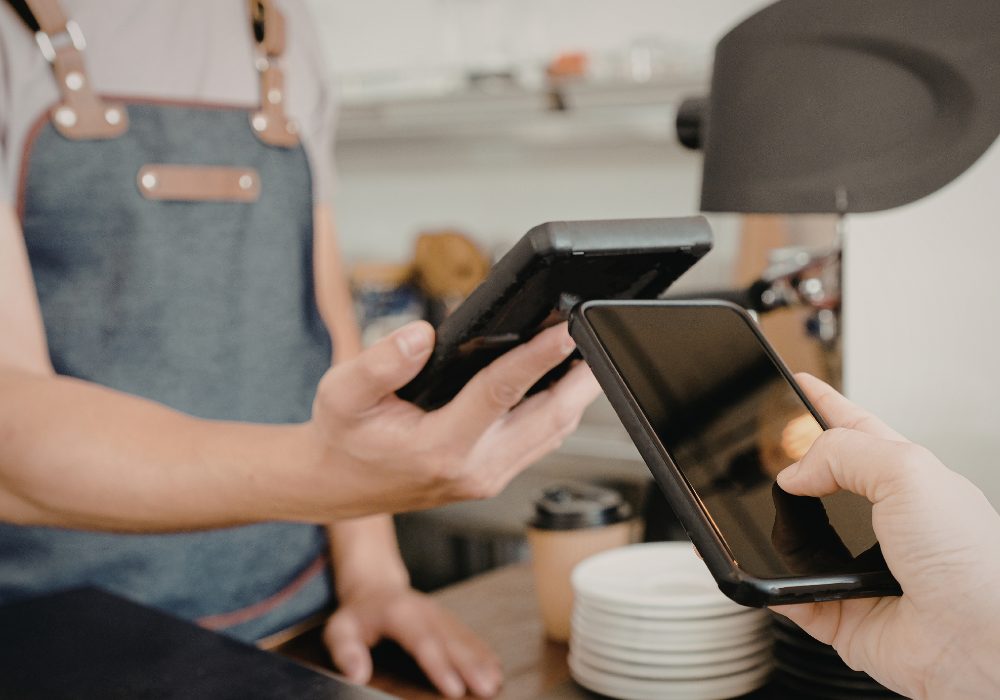
In today’s highly competitive restaurant industry, increasing revenue isn’t just about serving great food — it’s about running a smart, data-driven business. Modern restaurant owners are turning to technology to improve efficiency, customer experience, and profitability. One of the most powerful tools driving this change is the Restaurant POS (Point of Sale) system. Beyond processing orders and payments, today’s POS systems act as complete business management solutions that directly contribute to higher sales and revenue growth. Let’s explore how a POS system can help your restaurant maximize profits and stay ahead in 2025 and beyond. 1. Streamlined Operations for Faster ServiceEvery minute counts in the restaurant business. Delays in order taking or billing can frustrate customers and reduce table turnover. A POS system automates these processes, enabling faster order management, kitchen coordination, and billing. Key benefits:
When your team operates efficiently, you serve more customers in less time — directly boosting daily revenue. 2. Real-Time Sales Insights and Data AnalyticsA smart POS system gives you access to real-time reports and sales analytics. Instead of guessing what works, you can use accurate data to make informed decisions. With analytics, you can:
These insights help you focus on what drives the most revenue and eliminate low-performing menu items or wasteful expenses. 3. Better Inventory Management Reduces WastagePoor inventory control can drain profits through wastage, overstocking, or theft. A POS system automatically tracks ingredient usage, updates stock levels after every sale, and alerts you when supplies run low. Results include:
By minimizing losses, you retain more profit — improving your restaurant’s bottom line without raising prices. 4. Upselling and Cross-Selling OpportunitiesModern POS systems empower staff to suggest add-ons or upgrades during order taking. For example, recommending a side dish, dessert, or beverage can significantly increase average order value. How it helps:
Even a small increase in average order value can result in substantial annual revenue growth. 5. Enhanced Customer Experience and LoyaltyHappy customers are loyal customers — and loyal customers spend more. A POS system helps create a smooth, personalized dining experience from start to finish. Customer-focused features:
Loyalty integration encourages repeat visits, while a frictionless service experience ensures customers return and recommend your restaurant to others.
6. Multi-Channel Sales IntegrationIn 2025, restaurants earn from more than just dine-in customers. POS systems now integrate with online ordering platforms, food delivery apps, and QR-based ordering systems, consolidating all orders in one dashboard. Benefits include:
By expanding your sales channels through POS integration, your restaurant can generate more income from every source. 7. Smarter Marketing and PromotionsA POS system stores valuable customer data, such as order history, frequency, and preferences. This data can be used to run targeted marketing campaigns that boost sales. Examples:
Targeted promotions are more effective and cost-efficient, helping you attract and retain more customers. 8. Centralized Management for Multi-Outlet RestaurantsFor restaurant chains or franchises, managing multiple outlets manually is inefficient. Cloud-based POS systems provide centralized control over all branches. Advantages:
Centralized visibility helps you identify top-performing locations and replicate their success — increasing overall revenue across your brand. 9. Optimized Staff PerformanceEmployee productivity directly affects sales and customer experience. A POS system tracks staff performance, order handling speed, and individual sales contributions. This enables you to:
Motivated and well-managed staff deliver better service, leading to higher sales and happier customers. 10. Data-Driven Growth and ScalabilityAs your restaurant grows, scaling becomes easier with a POS system. It keeps all your financial, sales, and inventory data organized, helping you plan expansions strategically. Growth advantages:
This ensures your business remains profitable and adaptable in a competitive market. ConclusionA Restaurant POS system is much more than a digital billing tool — it’s a powerful engine for revenue growth. By automating operations, improving efficiency, enhancing customer experience, and delivering data-driven insights, a POS system helps your restaurant reach its full potential. |