POS Systems for Cafes and Quick Service Restaurants (QSRs)

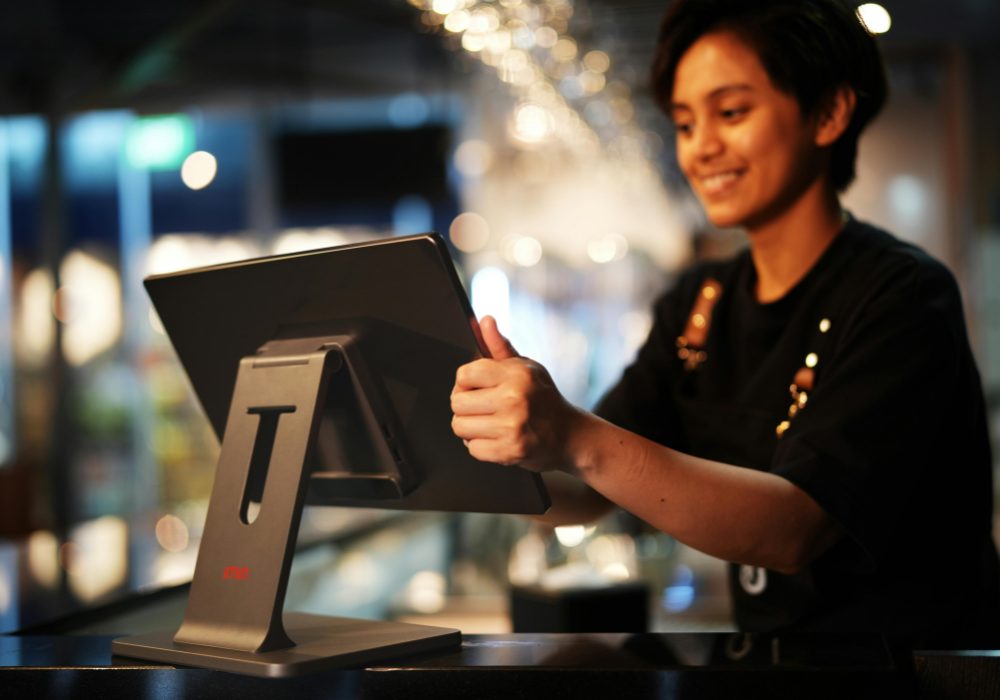
In the fast-paced world of cafés and quick service restaurants (QSRs), speed, accuracy, and efficiency define success. Customers expect quick transactions, consistent quality, and seamless service — leaving little room for operational errors. This is where a POS (Point of Sale) system becomes an essential tool. Designed to handle high-volume transactions, manage inventory, and provide real-time insights, modern POS systems help cafés and QSRs optimize performance while boosting profits. Let’s explore how a specialized POS solution can transform café and QSR operations in 2025. 1. Why Cafes and QSRs Need a POS SystemUnlike full-service restaurants, cafés and QSRs rely on speed and high turnover. Manual billing or outdated systems often lead to slow service, incorrect orders, and frustrated customers. A POS system simplifies operations by integrating order taking, billing, inventory management, and reporting into one seamless platform. Key objectives:
This technology ensures a smooth flow from order to delivery — even during rush hours. 2. Faster Order ManagementCafés and QSRs thrive on quick service. A POS system enables instant order taking through touchscreens or handheld devices, automatically sending orders to the kitchen or barista station. Benefits include:
Whether dine-in, takeaway, or delivery, the POS ensures every order is handled efficiently. 3. Streamlined Billing and PaymentsSpeedy and secure transactions are crucial for quick service businesses. A POS system supports multiple payment modes — including cash, credit/debit cards, QR codes, and digital wallets. Key advantages:
This improves customer satisfaction and ensures smooth cash flow throughout the day. 4. Efficient Inventory ManagementIn cafés and QSRs, ingredients like coffee beans, sauces, or bakery items are used in varying quantities. Managing these manually can lead to waste or stockouts. A POS system automatically updates inventory with each sale, ensuring you always know what’s in stock. Features include:
With this automation, you can reduce waste, control costs, and maintain consistent quality. 5. Easy Menu Management and ModifiersFrequent menu updates, combo offers, and add-ons are common in cafés and QSRs. A POS system simplifies this process with menu management tools. You can:
This flexibility helps you respond quickly to trends, seasonal items, or customer preferences.
6. Integration with Online Ordering and Delivery AppsIn today’s digital era, most QSRs and cafés receive a large portion of orders online. A POS system integrates directly with delivery platforms like Zomato, Swiggy, Uber Eats, or your own website. Benefits of integration:
It ensures accuracy, saves time, and helps you serve customers faster across all channels. 7. Data and Analytics for Smarter DecisionsA POS system captures valuable data about your customers, sales, and performance. You can track:
These insights help optimize your menu, staffing, and marketing — ultimately increasing profitability. 8. Customer Loyalty and MarketingBuilding a loyal customer base is vital for cafés and QSRs. POS systems come with CRM and loyalty modules that make it easy to reward repeat customers. Features include:
By connecting with customers beyond transactions, you can increase repeat visits and brand loyalty. 9. Employee and Outlet ManagementManaging multiple staff members or outlets becomes easy with a POS system. Management tools include:
This helps maintain consistency and accountability across your café or QSR network. 10. Cloud-Based Access and ScalabilityModern POS systems are cloud-based, giving owners the flexibility to monitor operations remotely from any device. Advantages:
As your café or QSR chain expands, your POS scales with it — ensuring smooth operations at every stage. ConclusionFor cafés and quick service restaurants, efficiency and speed are non-negotiable. A POS system acts as the backbone of your operations, connecting every part of your business — from order taking and payments to inventory and customer loyalty. By investing in a smart, cloud-based POS solution, cafés and QSRs can serve faster, manage smarter, and earn more — all while delivering a consistent and delightful customer experience. |