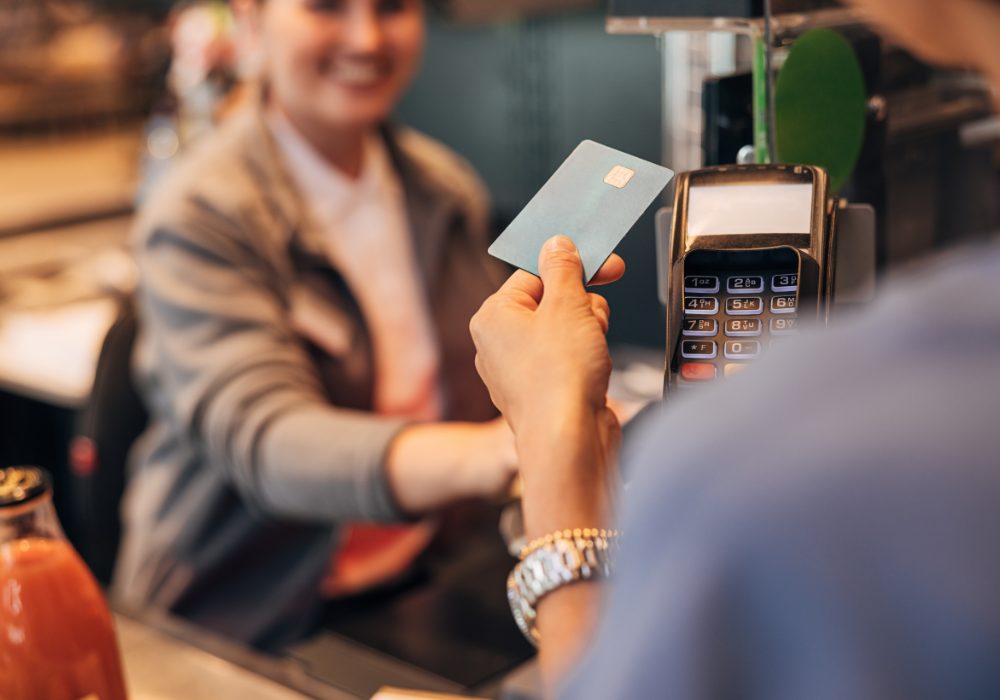
Why Every Modern Restaurant Needs a POS System in 2026

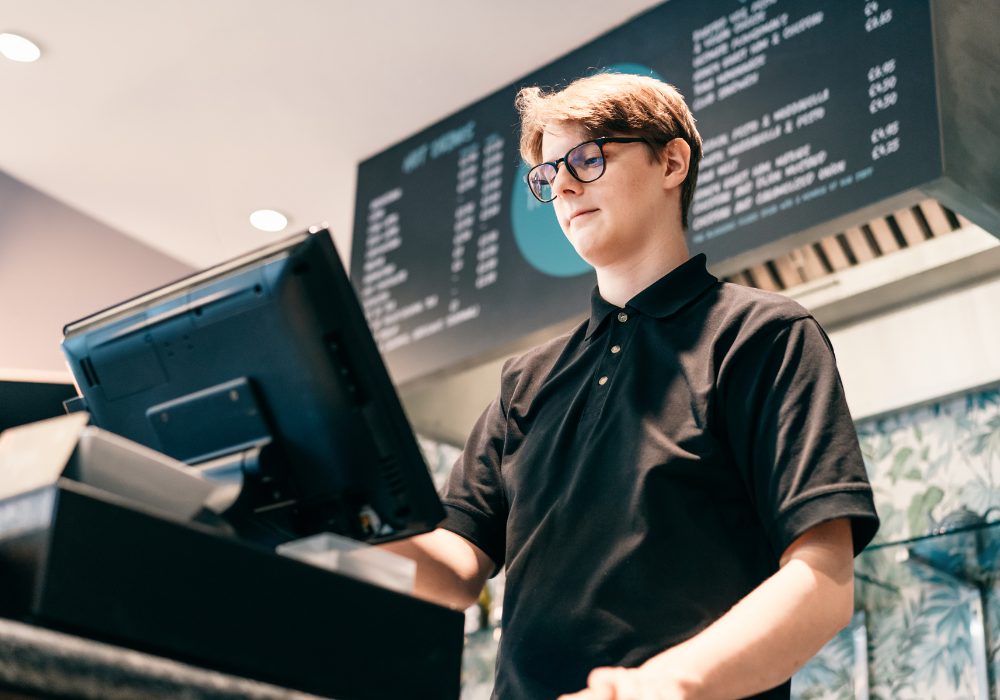
The restaurant industry is evolving faster than ever. From online ordering and contactless payments to multi-kitchen coordination and real-time inventory tracking, modern restaurants must keep up with changing customer expectations and operational challenges. In 2026, a Point of Sale (POS) system is no longer a luxury — it’s a necessity for survival and growth. 1. Streamlined Operations and Faster ServiceA restaurant POS system simplifies daily operations by automating tasks that were once manual and time-consuming. Orders from the dining area, takeaway, or online platforms are sent directly to the kitchen display or printer in seconds, reducing errors and speeding up service. Key advantages:
When every second counts during busy hours, a POS ensures that your team works in sync and customers get their meals faster. 2. Real-Time Inventory and Stock ManagementRunning out of key ingredients during rush hour can damage your reputation. A modern POS keeps track of inventory in real time, automatically deducting stock as items are sold. It also alerts you when ingredients run low or when it’s time to reorder. Benefits include:
This feature helps managers maintain consistent quality and profitability without constant manual checks. 3. Data-Driven Decision MakingA smart POS system does more than process transactions — it provides actionable insights. From best-selling dishes to peak hours and staff performance, restaurant owners can make informed business decisions based on real data. Example insights:
With data at your fingertips, you can plan better promotions, adjust pricing, and improve customer satisfaction.
4. Enhanced Customer ExperienceToday’s customers expect quick service, multiple payment options, and personalized experiences. A POS system allows restaurants to meet these expectations by offering features like:
A smoother dining experience keeps customers coming back and builds brand loyalty. 5. Multi-Outlet and Cloud AccessibilityFor restaurant chains and franchises, cloud-based POS systems provide centralized control. Owners can monitor multiple branches from a single dashboard, track sales performance, and manage menus or pricing remotely. Key highlights:
This flexibility is crucial for growth and scalability in 2025’s competitive market. 6. Seamless Integration with Other ToolsModern POS systems integrate easily with accounting software, CRMs, online ordering apps, and marketing tools. This eliminates data duplication and improves overall efficiency across departments. Examples of integrations:
Integration ensures all aspects of your business are connected and automated. ConclusionIn 2025, efficiency, accuracy, and data are the driving forces behind successful restaurants. A modern POS system helps you stay ahead by streamlining operations, enhancing customer satisfaction, and providing valuable insights for smarter growth. Whether you run a small café, a fine-dining restaurant, or a multi-outlet chain — investing in a reliable POS is one of the smartest decisions you can make this year. |